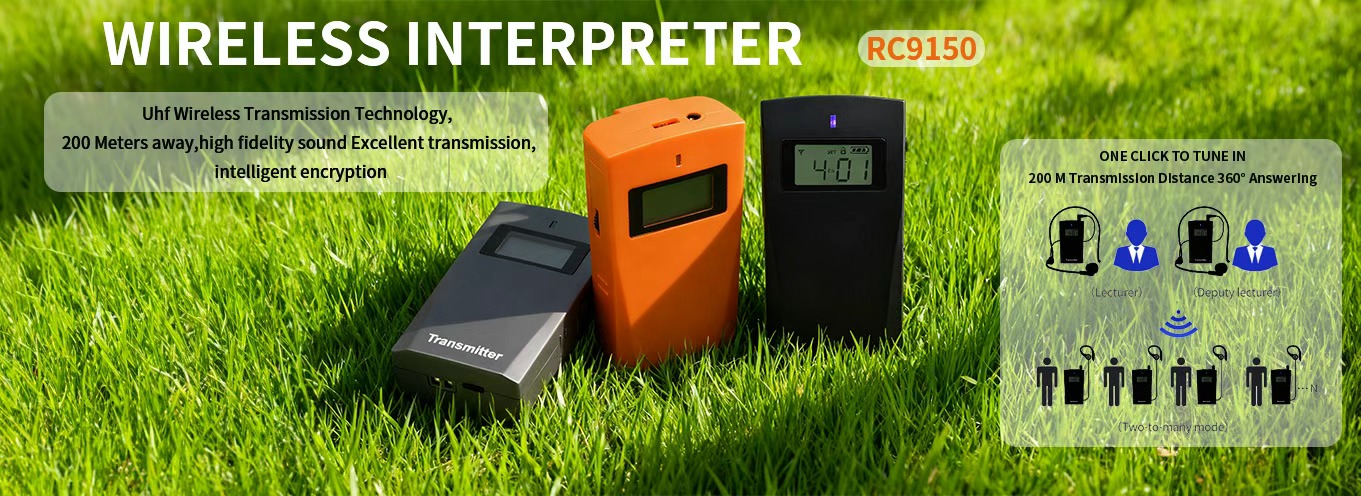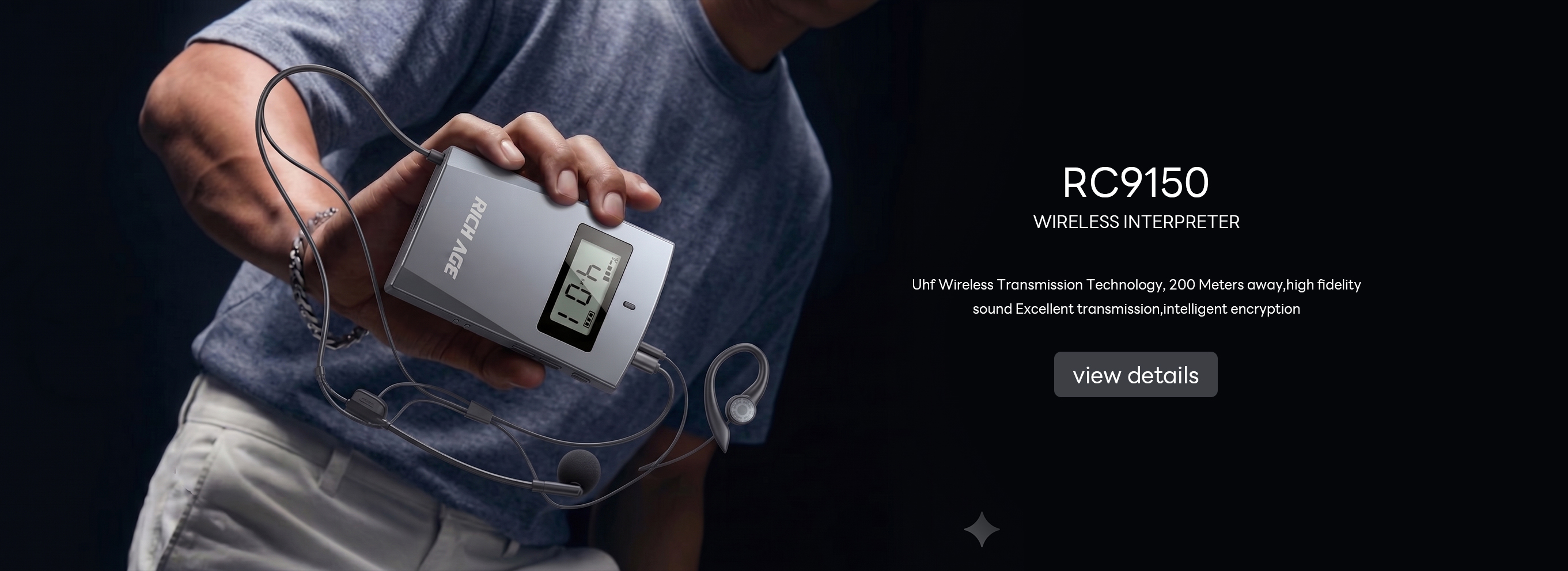

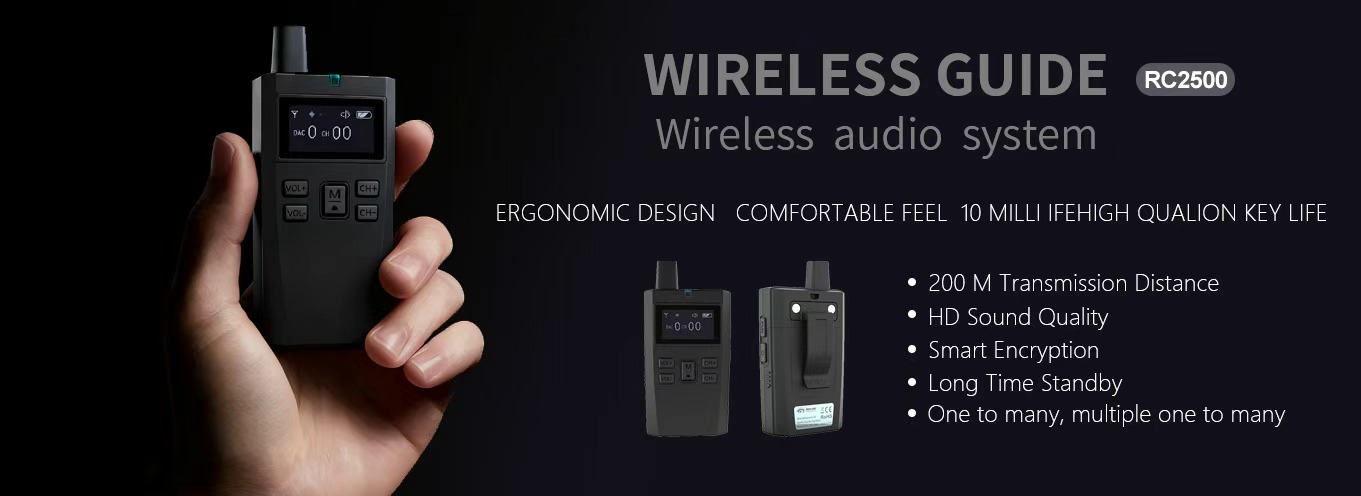
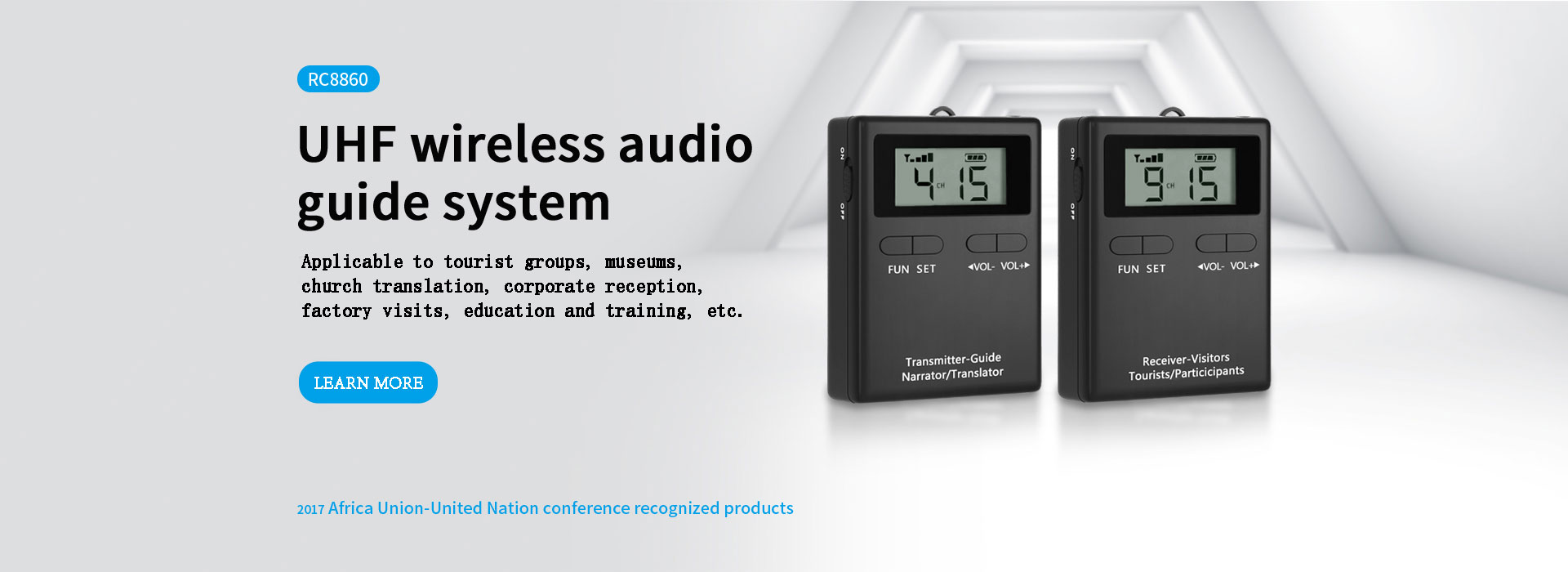
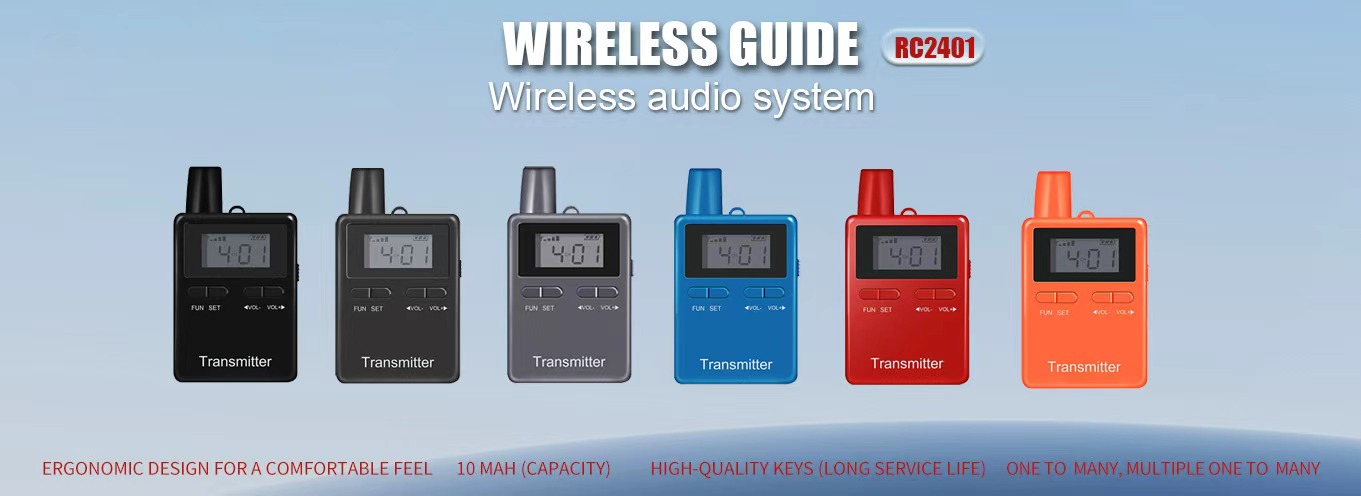
We are a large factory from China.Specializing in the production of wireless tour guide systems translation headphones for church、Museum audio guide equipment, Simulation Interpretation etc

Tel:+86 18922879583

Email:tiger.wang@richitek.com

Breaking the Silence of the Classroom: How Wireless Audio Systems Foster Inclusive Learning

Introduction: The Challenge of the Modern Classroom Modern classrooms are noisy. Between HVAC systems, hallway traffic, and the natural buzz of collaborative learning, the "Signal-to-Noise Ratio" (SNR) is often poor. For students with hearing impairments, auditory processing disorders (APD), or even those sitting in the back row, vital information is lost. The Tour Guide System, repurposed for the classroom, acts as a bridge for focused learning.


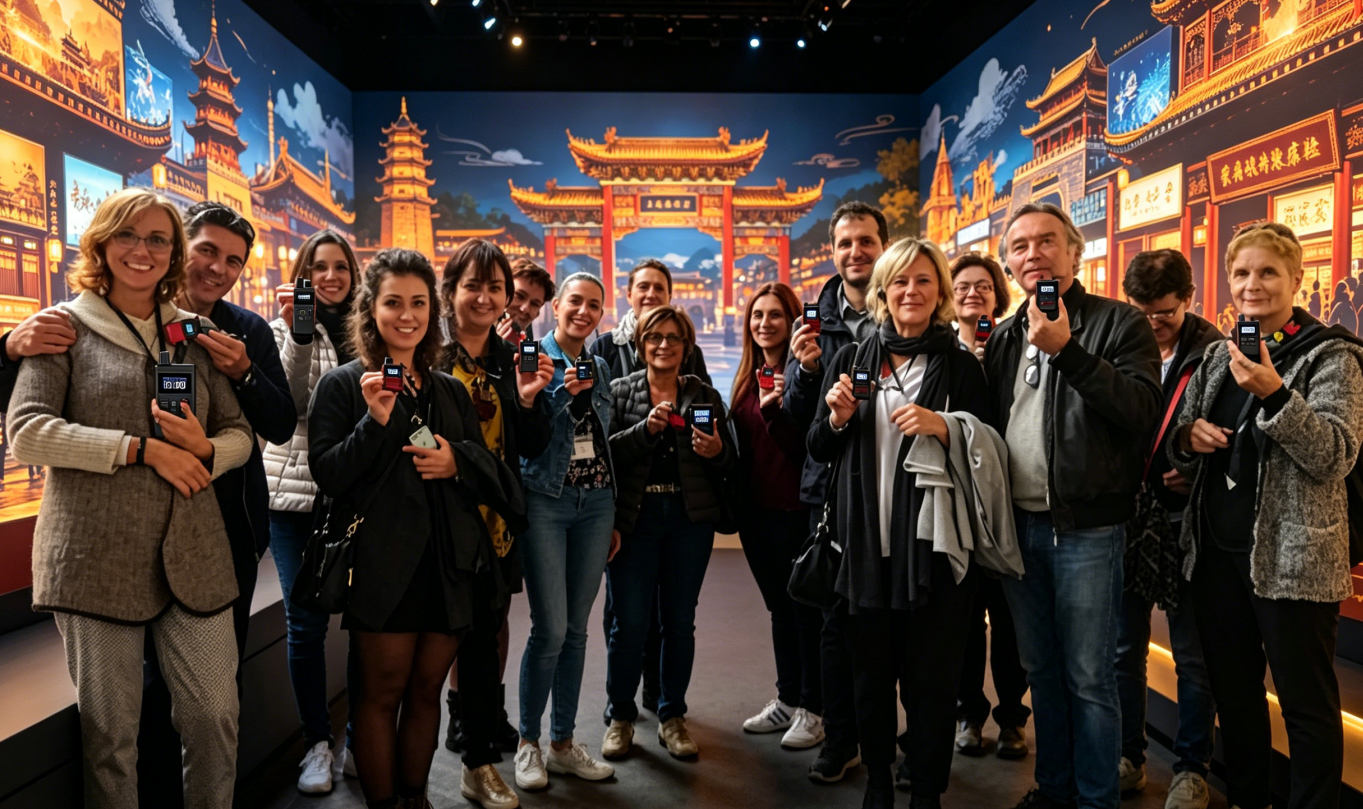
Breaking the Silence of the Classroom: How Wireless Audio Systems Foster Inclusive Learning(图1)


[Core Application Scenarios]

  1. Assistive Listening for SEN (Special Educational Needs): These systems are a lifeline for students who use hearing aids or cochlear implants. By transmitting the teacher’s voice directly to the student’s receiver, background noise is filtered out.

  2. Language Labs and ESL Training: For students learning a second language, hearing the nuances of pronunciation is critical. Wireless headsets provide "studio-quality" audio, allowing students to mimic phonemes with higher accuracy.

  3. Active Learning & Breakout Groups: In a single large hall, multiple "Tour Guide" channels can be used. Group A listens to Teacher 1 on Channel 1, while Group B listens to Teacher 2 on Channel 2—all in the same room without acoustic interference.


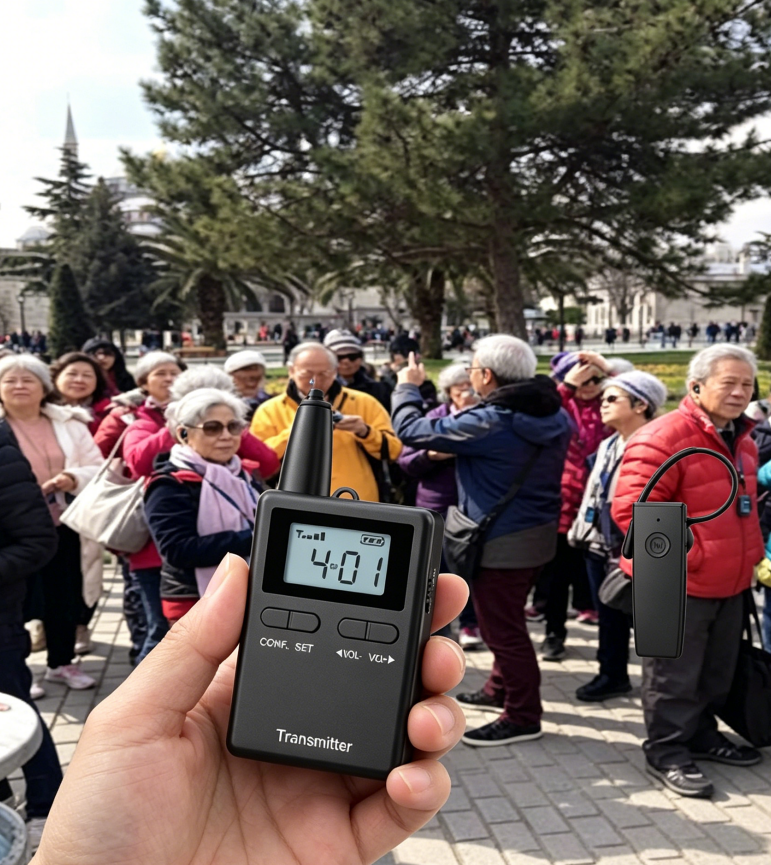
Breaking the Silence of the Classroom: How Wireless Audio Systems Foster Inclusive Learning(图2)


The Impact on Teacher Wellness: "Teacher's Voice" is a professional hazard. By using a wireless transmitter with a lapel microphone, teachers can speak at a natural, low volume, preventing vocal cord strain while ensuring every student hears them as if they were standing 2 feet away.


Conclusion: Inclusive education isn't just about policy; it’s about technology. A wireless audio system ensures that "No Student is Left Behind" simply because they couldn't hear the lesson.

2026年01月21日 11:21
click: 540

Breaking the Silence of the Classroom: How Wireless Audio Systems Foster Inclusive Learning

time: 2026年01月21日 click:540

Introduction: The Challenge of the Modern Classroom Modern classrooms are noisy. Between HVAC systems, hallway traffic, and the natural buzz of collaborative learning, the "Signal-to-Noise Ratio" (SNR) is often poor. For students with hearing impairments, auditory processing disorders (APD), or even those sitting in the back row, vital information is lost. The Tour Guide System, repurposed for the classroom, acts as a bridge for focused learning.


Breaking the Silence of the Classroom: How Wireless Audio Systems Foster Inclusive Learning(图1)


[Core Application Scenarios]

  1. Assistive Listening for SEN (Special Educational Needs): These systems are a lifeline for students who use hearing aids or cochlear implants. By transmitting the teacher’s voice directly to the student’s receiver, background noise is filtered out.

  2. Language Labs and ESL Training: For students learning a second language, hearing the nuances of pronunciation is critical. Wireless headsets provide "studio-quality" audio, allowing students to mimic phonemes with higher accuracy.

  3. Active Learning & Breakout Groups: In a single large hall, multiple "Tour Guide" channels can be used. Group A listens to Teacher 1 on Channel 1, while Group B listens to Teacher 2 on Channel 2—all in the same room without acoustic interference.


Breaking the Silence of the Classroom: How Wireless Audio Systems Foster Inclusive Learning(图2)


The Impact on Teacher Wellness: "Teacher's Voice" is a professional hazard. By using a wireless transmitter with a lapel microphone, teachers can speak at a natural, low volume, preventing vocal cord strain while ensuring every student hears them as if they were standing 2 feet away.


Conclusion: Inclusive education isn't just about policy; it’s about technology. A wireless audio system ensures that "No Student is Left Behind" simply because they couldn't hear the lesson.

×

Contact us

email:
name:
subject:
content: